

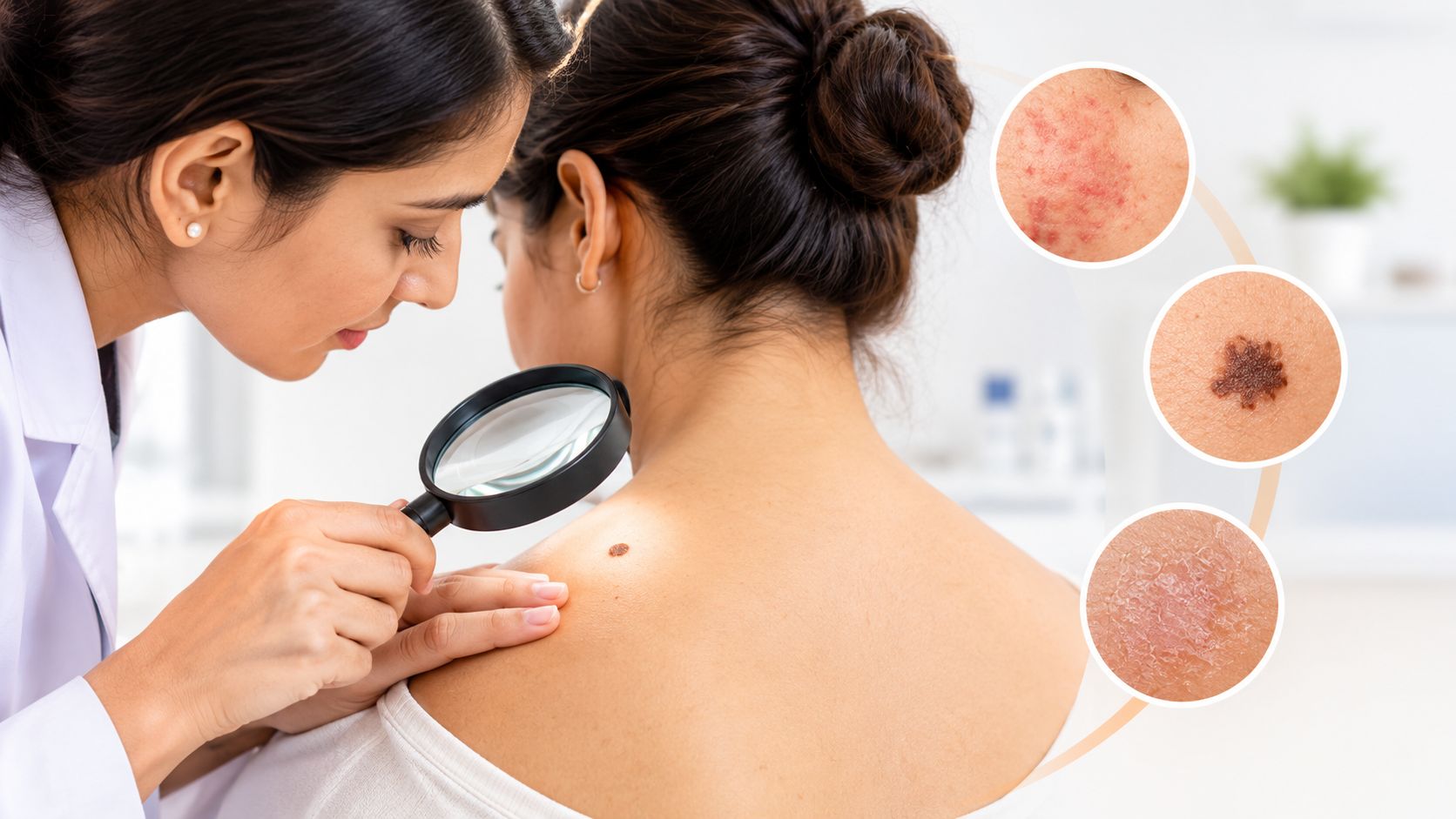
Diagnostic Dermatology: How Early Diagnosis Helps Identify Skin Diseases
Skin is the body's largest organ, and it often provides important clues about our overall health. From persistent acne and unexplained rashes to changing moles, unusual pigmentation, and chronic itching, skin problems can develop for many reasons. While some conditions are temporary and harmless, others may require timely medical attention to prevent complications.
This is where diagnostic dermatology plays an important role. It helps dermatologists identify skin conditions accurately by evaluating symptoms, examining the skin, reviewing medical history, and recommending appropriate diagnostic tests when necessary.
Early diagnosis can make a significant difference in managing skin diseases. It helps patients understand the cause of their symptoms, receive suitable treatment, and reduce the risk of complications associated with delayed care.
For people experiencing persistent or unusual skin concerns, seeking Diagnostic Dermatology in Bhubaneswar can be a valuable step toward better skin health. Under the guidance of Dr. Parth Amohapatra, patients can explore appropriate dermatological evaluation based on their individual symptoms and medical needs.
What Is Diagnostic Dermatology?
Diagnostic dermatology is a specialized area of dermatology focused on identifying skin, hair, and nail conditions through clinical assessment and appropriate diagnostic procedures.
Many skin diseases share similar symptoms. For example, redness, itching, scaling, and inflammation may occur in eczema, psoriasis, fungal infections, and allergic skin reactions. Treating these conditions without identifying the underlying cause may lead to ineffective results or recurring symptoms.
A dermatologist evaluates several factors to establish a diagnosis, including:
- The appearance, location, and distribution of skin changes.
- The duration and progression of symptoms.
- Medical history and family history.
- Current medications and skincare products.
- Possible exposure to allergens, irritants, or infections.
- Diagnostic tests, when clinically indicated.
The goal is to distinguish between conditions with similar presentations and develop a treatment plan that addresses the actual cause of the problem.
Why Is Early Diagnosis Important for Skin Diseases?
Early diagnosis is an essential part of effective skin care. Many dermatological conditions respond better when identified and managed before symptoms become severe or complications develop.
1. Helps Identify the Exact Skin Condition
Several skin conditions look alike, making self-diagnosis unreliable. A red, itchy patch could be caused by an allergy, eczema, a fungal infection, or another inflammatory condition.
A professional dermatological examination helps narrow down the possible causes. Depending on the symptoms, the dermatologist may recommend additional tests to confirm the diagnosis.
Identifying the condition correctly helps avoid unnecessary treatments and supports more targeted care.
2. Prevents Symptoms From Becoming More Severe
Some skin conditions gradually worsen when left untreated. Persistent inflammation may cause discomfort, while repeated scratching can damage the skin and increase the risk of secondary infection.
Early evaluation helps patients understand the nature of their condition and begin appropriate management before symptoms significantly affect their daily lives.
3. Reduces the Risk of Scarring and Pigmentation
Certain skin problems, including inflammatory acne and some chronic skin conditions, may leave scars or dark marks if they are severe or inadequately managed.
Early assessment allows a dermatologist to recommend suitable treatment based on the condition, its severity, and the patient's skin type.
Although early treatment cannot prevent every scar or pigmentation change, it may reduce the likelihood of long-term skin damage in some cases.
4. Supports Early Detection of Potentially Serious Conditions
Not every skin change is dangerous, but certain changes require prompt medical evaluation.
A mole that changes in size, shape, or colour, a sore that does not heal, or a new growth that looks unusual may need further investigation. Early assessment is particularly important when skin cancer or another serious disorder is suspected.
A dermatologist may examine the affected area using a dermatoscope and recommend a biopsy if necessary.
5. Improves Long-Term Skin Management
Chronic conditions such as psoriasis, eczema, rosacea, and certain forms of dermatitis may require ongoing care rather than a one-time treatment.
An accurate diagnosis helps patients understand their triggers, recognise flare-ups, and follow an appropriate skincare and treatment routine.
With regular follow-up when needed, treatment can be adjusted according to the patient's response and changing symptoms.
Common Skin Diseases That Benefit From Early Diagnosis
Diagnostic dermatology can help evaluate a wide range of skin concerns. The appropriate approach depends on the symptoms, suspected condition, and individual medical history.
Acne and Persistent Breakouts
Acne is a common skin condition that develops when hair follicles become clogged with oil and dead skin cells. It can cause blackheads, whiteheads, inflamed pimples, and deeper nodules.
Persistent or severe acne may result in permanent scarring. Early evaluation helps determine the severity of acne and whether hormonal factors, medications, or other influences may be contributing to the problem.
A dermatologist can recommend suitable treatment and advise patients on skincare practices that support skin health.
Eczema and Dermatitis
Eczema and dermatitis can cause redness, dryness, itching, irritation, and scaling. Their symptoms may resemble those of fungal infections, psoriasis, or allergic reactions.
A detailed clinical assessment helps distinguish between these conditions. In selected cases, patch testing may be recommended to identify allergic contact dermatitis.
Early diagnosis can help reduce irritation, manage flare-ups, and protect the skin barrier.
Psoriasis
Psoriasis is a chronic inflammatory condition that can produce well-defined, scaly patches on the skin. It commonly affects areas such as the elbows, knees, and scalp, although other areas may also be involved.
Recognising psoriasis early helps patients access suitable treatment and understand how to manage flare-ups.
Because psoriasis may sometimes be associated with joint inflammation, patients should report joint pain, stiffness, or swelling during their consultation.
Fungal Skin Infections
Fungal infections may cause itchy, scaly, discoloured, or ring-shaped patches. They can affect different body areas, including the feet, groin, scalp, and skin folds.
These infections may be mistaken for eczema or other inflammatory conditions. A dermatologist may recommend a skin scraping or fungal examination when the diagnosis is uncertain.
Correct identification matters because fungal infections require appropriate antifungal treatment, while steroid misuse can sometimes worsen or disguise an infection.
Pigmentation Disorders
Uneven skin tone, dark patches, and areas of reduced pigmentation can develop for different reasons. Conditions such as melasma, post-inflammatory hyperpigmentation, and vitiligo require different approaches to evaluation and management.
Early assessment helps identify the likely cause and determine whether further investigation is needed.
It also helps patients avoid unsuitable bleaching products, unverified remedies, or treatments that could irritate the skin and worsen pigmentation.
Moles and Suspicious Skin Growths
Most moles are harmless, but changes in an existing mole or the appearance of a new, unusual lesion should not be ignored.
Warning signs can include asymmetry, irregular borders, multiple colours, changes in size, or a lesion that evolves over time. A spot that repeatedly bleeds or a sore that fails to heal also deserves medical evaluation.
These signs do not automatically mean cancer is present. However, prompt examination can help determine whether further testing is required.
What Diagnostic Methods Are Used in Dermatology?
The diagnostic process varies according to the suspected condition. Many skin diseases can be identified through a clinical examination, while others require specialised tests.
1. Clinical Skin Examination
A dermatologist examines the affected area, noting the colour, texture, size, shape, and distribution of skin lesions.
The examination may also include the scalp, hair, nails, or other areas when symptoms suggest a broader condition.
This assessment is often the first and most important step in identifying a skin problem.
2. Dermoscopy
Dermoscopy is a non-invasive examination technique that uses a specialised magnifying instrument to assess skin structures that are not easily visible to the naked eye.
It can help evaluate certain pigmented lesions, moles, and other skin conditions. Dermoscopy may improve diagnostic assessment, but it does not replace a biopsy when tissue examination is necessary.
3. Skin Biopsy
A skin biopsy involves removing a small sample of skin for laboratory examination. It may be recommended when the diagnosis remains uncertain or when a serious condition needs to be investigated.
The sample is examined under a microscope by an appropriately trained specialist.
A biopsy is not required for every skin concern. The decision depends on the clinical findings and the information needed to establish a diagnosis.
4. Fungal and Microbiological Tests
When an infection is suspected, a dermatologist may collect a skin scraping, hair sample, nail clipping, or swab.
These samples can be examined or tested to identify fungi, bacteria, or other organisms, depending on the suspected cause.
Such tests are particularly useful when symptoms persist despite treatment or when the appearance of the affected area is not typical.
5. Allergy Testing
Some cases of recurring dermatitis may be linked to contact with substances such as fragrances, preservatives, metals, or chemicals.
Patch testing may help identify allergic contact dermatitis by assessing delayed skin reactions to selected allergens.
The test is recommended according to the patient's symptoms and exposure history rather than as a routine procedure for every rash.
6. Blood Tests and Other Investigations
Certain skin symptoms may be associated with underlying medical conditions, nutritional deficiencies, hormonal changes, or systemic inflammation.
When appropriate, a dermatologist may recommend blood tests or other investigations to explore these possibilities.
Testing should be guided by the patient's history and examination findings rather than performed without a clear clinical reason.
Signs That You Should Consult a Dermatologist
Occasional skin irritation may resolve on its own, but persistent, recurring, or unexplained symptoms deserve attention.
Consider consulting a dermatologist if you experience:
- A rash that persists, spreads, or repeatedly returns.
- Severe itching, burning, swelling, or skin discomfort.
- Acne that is painful, deep, or leaving scars.
- Unexplained changes in skin colour or texture.
- Persistent dandruff, scalp inflammation, or unusual hair loss.
- Thickened, discoloured, or damaged nails.
- Skin infections that do not improve with appropriate treatment.
- A mole that changes in appearance or a sore that does not heal.
Seek urgent medical attention if a rash develops rapidly with fever or significant illness, or if you experience facial swelling, difficulty breathing, or signs of a severe allergic reaction. A rapidly spreading, painful skin infection also requires prompt assessment.
Do not wait for a routine appointment if you suspect a serious skin condition.
What to Expect During a Diagnostic Dermatology Consultation
Understanding the consultation process can help patients feel more confident about seeking care.
A typical appointment may include the following steps.
Step 1: Discussion of Symptoms
The dermatologist asks when the problem started, whether it has changed, and whether there are associated symptoms such as itching, pain, or swelling.
Step 2: Review of Medical History
Your doctor may ask about previous skin conditions, allergies, medications, family history, and products applied to the affected area.
Step 3: Physical Examination
The affected skin is examined closely. Depending on the concern, the dermatologist may also assess other areas of the body.
Step 4: Diagnostic Testing, If Needed
Additional tests may be suggested if the clinical examination alone does not provide enough information.
Step 5: Diagnosis and Treatment Planning
Once sufficient information is available, the dermatologist explains the likely diagnosis, treatment options, and any recommended follow-up.
In some cases, the initial diagnosis may be provisional until test results become available.
Patients can help make the consultation more productive by bringing a list of current medications, noting previous treatments, and sharing photographs that show how a recurring skin problem has changed over time.
How to Prepare for Your Dermatology Appointment
A little preparation can help your dermatologist understand your symptoms more accurately.
Before your appointment:
- Note when the symptoms first appeared and how they have progressed.
- List any medicines, creams, supplements, or skincare products you use.
- Mention recent changes in cosmetics, detergents, or workplace exposures.
- Avoid starting multiple new skincare products immediately before the consultation.
- Take photographs of symptoms that appear intermittently, if possible.
- Share any relevant medical history and previous test results.
If you have already tried a treatment, explain whether it helped, made the symptoms worse, or had no noticeable effect. This information can help guide further evaluation.
Why Choose Diagnostic Dermatology in Bhubaneswar?
Access to appropriate dermatological care can help patients address skin concerns before they become more difficult to manage.
People looking for Diagnostic Dermatology in Bhubaneswar should prioritise a qualified dermatologist who takes time to understand their symptoms, performs a careful examination, and recommends tests only when clinically appropriate.
Dr. Parth Amohapatra is the named clinic's dermatologist for patients seeking information about skin evaluation and care. When considering a consultation, patients should confirm the doctor's qualifications, available diagnostic facilities, and the services offered by the clinic.
A good diagnostic approach focuses on more than the visible symptoms. It considers possible underlying causes, explains the reasoning behind recommended tests, and helps patients understand the next steps in treatment.
The right evaluation can also reduce reliance on random over-the-counter products or home remedies that may irritate the skin or delay appropriate care.
Common Myths About Skin Disease Diagnosis
Misinformation can cause people to delay treatment or use unsuitable products. Understanding a few common myths can support better decisions.
Myth 1: Every Skin Rash Is an Allergy
Fact: Rashes can result from infections, inflammatory conditions, medication reactions, and several other causes. An examination helps determine the most likely explanation.
Myth 2: Skin Diseases Can Always Be Diagnosed by Looking at Photographs
Fact: Photographs can provide useful clues, but they may not show the full texture, distribution, or other features needed for diagnosis. Some cases require an in-person examination or testing.
Myth 3: A Mole Is Harmless If It Does Not Hurt
Fact: Some concerning skin lesions may be painless. Changes in appearance, growth, bleeding, or failure to heal should be assessed.
Myth 4: Using Stronger Creams Always Produces Faster Results
Fact: The wrong treatment can irritate the skin, worsen certain infections, or cause unwanted side effects. Treatment should match the actual diagnosis.
Myth 5: Dermatological Testing Is Always Necessary
Fact: Many conditions can be diagnosed through history and examination alone. Tests are recommended when they are likely to provide useful information.
Frequently Asked Questions About Diagnostic Dermatology
1. What Is Diagnostic Dermatology?
Diagnostic dermatology focuses on identifying skin, hair, and nail conditions through medical history, physical examination, and appropriate investigations. It helps distinguish between conditions with similar symptoms and supports suitable treatment planning.
2. When Should I Seek Diagnostic Dermatology Care?
You should consider a consultation if you have persistent itching, unexplained rashes, recurring infections, severe acne, unusual pigmentation, changing moles, or other skin changes that do not improve as expected.
3. Can Skin Diseases Be Diagnosed During the First Visit?
Many skin conditions can be identified during the first consultation through a detailed history and examination. Some cases require additional tests, such as a skin scraping, allergy testing, or biopsy, before a final diagnosis can be confirmed.
4. Is a Skin Biopsy Painful?
A skin biopsy is usually performed under local anaesthesia, which helps minimise pain during the procedure. Some tenderness or discomfort may occur afterward. The risks and recovery process depend on the biopsy technique and the location of the sample.
5. Can Early Diagnosis Prevent Skin Scarring?
Early diagnosis and appropriate treatment may reduce the risk of scarring in certain conditions, particularly inflammatory acne and some infections. However, outcomes depend on the condition, its severity, and individual healing factors.
6. How Can I Find Diagnostic Dermatology in Bhubaneswar?
Look for a qualified dermatologist who offers careful clinical assessment and can arrange appropriate investigations when required. You can contact Dr. Parth Amohapatra to confirm consultation availability, the conditions evaluated, and the diagnostic services offered.
7. Are All Skin Diseases Contagious?
No. Conditions such as eczema, psoriasis, acne, and vitiligo are not contagious. Some fungal, bacterial, and viral skin infections can spread through direct contact or shared items. Identifying the cause helps determine whether precautions are necessary.
Conclusion
Skin problems should not be ignored simply because they initially appear mild. Persistent rashes, unexplained itching, changing moles, recurring infections, and unusual pigmentation can sometimes indicate conditions that require medical attention.
Diagnostic dermatology helps identify the underlying cause of these concerns through careful examination and targeted investigations. Early assessment can support timely treatment, reduce the risk of complications, and improve long-term skin management.
If you are experiencing unexplained or persistent skin symptoms, consider consulting a qualified dermatologist rather than relying on self-diagnosis or unverified remedies.
For those seeking Diagnostic Dermatology in Bhubaneswar, Dr. Parth Amohapatra is a point of contact to explore appropriate dermatological evaluation and discuss the next steps for your skin health.
Medical note: This article is intended for general educational purposes and does not replace an individual medical consultation or diagnosis.

Leave a reply
Your email address will not be published. Required fields are marked *