

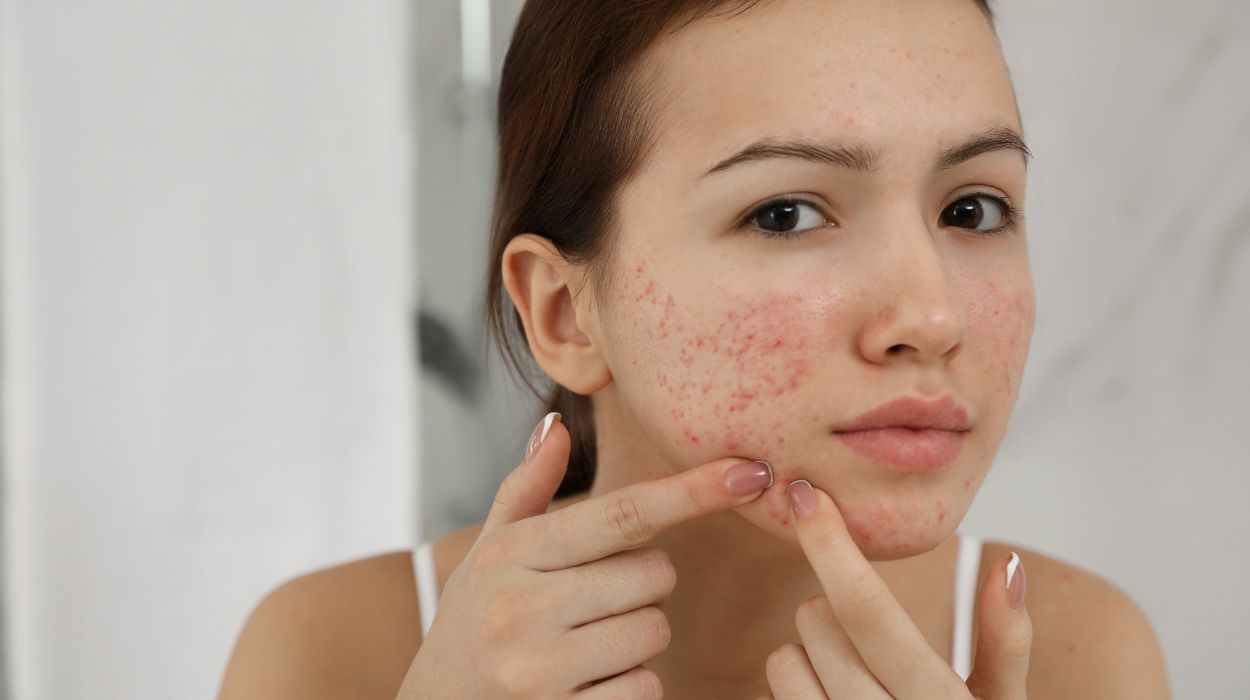
Say Goodbye to Acne Scars with the Right Acne Scar Treatment
Acne may disappear over time, but the scars it leaves behind can affect your confidence for years. Many people try home remedies or over-the-counter products hoping their acne scars will fade naturally, only to find little or no improvement. The good news is that modern dermatology offers several safe and effective treatments that can significantly reduce acne scars and improve your skin's texture.
If you're looking for acne scar treatment in Bhubaneswar, consulting an experienced dermatologist is the first step toward smoother, healthier-looking skin. Every scar is different, and successful treatment begins with choosing the right approach based on your skin type and scar pattern.
At Dr. Partha Mohapatra's clinic, patients receive personalized treatment plans designed to deliver natural-looking results while keeping skin health the top priority.
Why Do Acne Scars Develop?
Acne scars form when inflamed pimples damage the deeper layers of the skin. During healing, the body produces collagen to repair the damaged tissue. If too little or too much collagen is produced, a scar develops.
Common reasons acne scars become permanent include:
- Delayed acne treatment
- Picking or squeezing pimples
- Severe inflammatory acne
- Deep cystic acne
- Genetic tendency to scar
The earlier active acne is treated, the lower the chances of permanent scarring.
Different Types of Acne Scars
Understanding the type of scar helps determine the most effective acne scar treatment.
Ice Pick Scars
These are narrow, deep scars that extend into the skin and are often the most challenging to treat.
Boxcar Scars
Round or oval depressions with clearly defined edges that commonly appear on the cheeks.
Rolling Scars
These create uneven skin texture with gentle wave-like depressions caused by fibrous bands beneath the skin.
Hypertrophic Scars
Raised scars that develop due to excess collagen production during healing.
Each scar type responds differently to treatment, which is why professional evaluation is essential.
How Is Acne Scar Treatment Personalized?
No single treatment works for everyone. A dermatologist carefully examines:
- Type of acne scars
- Skin tone
- Skin sensitivity
- Age of scars
- Active acne condition
- Overall skin health
A customized treatment plan generally provides better and more predictable outcomes than using one treatment for every patient.
Popular Acne Scar Treatment Options
Laser Resurfacing
Laser technology helps improve skin texture by stimulating collagen production and reducing the appearance of scars. It is particularly useful for atrophic acne scars.
Microneedling
Microneedling creates controlled micro-injuries that encourage natural collagen formation, making the skin smoother over time.
Chemical Peels
Medical-grade chemical peels remove damaged skin layers, helping reduce superficial scars while improving overall skin tone.
Subcision
This procedure releases fibrous bands beneath rolling scars, allowing the skin surface to become more even.
Dermal Fillers
Certain depressed scars can be temporarily lifted using dermal fillers, providing immediate improvement in appearance.
Combination Treatments
Many patients achieve the best results by combining multiple procedures rather than relying on a single treatment. Combination therapy often addresses different scar types simultaneously and enhances overall skin quality.
What Results Can You Expect?
Acne scar treatment improves the appearance of scars but may not completely remove them. Most patients notice:
- Smoother skin texture
- Reduced scar depth
- Improved skin tone
- Better collagen production
- More even complexion
- Increased confidence
Visible improvement usually develops gradually over several weeks as collagen remodeling continues.
Is Acne Scar Treatment Safe?
When performed by a qualified dermatologist, acne scar treatments are generally safe. Before starting treatment, your doctor will evaluate your skin, discuss expectations, explain possible side effects, and recommend the most suitable procedures for your condition.
Following post-treatment instructions carefully helps reduce downtime and supports better healing.
Tips to Prevent Future Acne Scars
Preventing new scars is just as important as treating existing ones.
- Avoid picking or squeezing pimples.
- Treat acne early before it becomes severe.
- Use sunscreen daily to prevent scars from becoming darker.
- Follow a consistent skincare routine.
- Attend regular follow-up appointments if you have persistent acne.
Why Choose Dr. Partha Mohapatra?
When searching for acne scar treatment in Bhubaneswar, experience and personalized care matter. Dr. Partha Mohapatra focuses on evidence-based dermatology and creates individualized treatment plans based on each patient's skin type, scar severity, and treatment goals.
Patients benefit from:
- Comprehensive skin evaluation
- Customized treatment planning
- Modern dermatology techniques
- Patient-focused care
- Emphasis on safety and realistic expectations
Rather than offering a one-size-fits-all solution, the clinic recommends treatments that are most appropriate for each individual's skin.
Final Thoughts
Living with acne scars doesn't have to be permanent. Advances in dermatology now make it possible to significantly improve skin texture and reduce the visibility of scars through personalized treatment plans.
If you're considering acne scar treatment in Bhubaneswar, seeking professional guidance is the best way to understand which options are right for your skin. With expert evaluation, appropriate treatment, and proper aftercare, you can achieve healthier, smoother, and more confident-looking skin.
Frequently Asked Questions (FAQs)
1. What is the best acne scar treatment?
The best treatment depends on your scar type, skin condition, and severity. A dermatologist may recommend laser treatment, microneedling, subcision, chemical peels, or a combination of procedures.
2. How many sessions are required for acne scar treatment?
Most patients require multiple sessions. The exact number varies depending on the type and depth of the scars and the treatment selected.
3. Is acne scar treatment painful?
Most procedures involve minimal discomfort. Topical numbing creams are commonly used to make treatments more comfortable.
4. Can acne scars be completely removed?
Complete removal is uncommon, but modern treatments can significantly reduce the appearance of acne scars and improve overall skin texture.
5. Is there any downtime after treatment?
Downtime depends on the procedure. Some treatments require only a day or two of recovery, while others may involve a longer healing period. Your dermatologist will explain what to expect before treatment.
6. Who is a good candidate for acne scar treatment?
Anyone with stable acne scars and healthy skin may be a suitable candidate. An in-person consultation helps determine the safest and most effective treatment plan.
Leave a reply
Your email address will not be published. Required fields are marked *